Your body requires specific minerals to function properly, yet it cannot produce them on its own. These essential nutrients—including calcium, copper, iron, magnesium, potassium, selenium, sodium, and zinc—play vital roles in everything from bone strength and energy production to immune function and heart health. Surprisingly, mineral deficiencies affect roughly 2 billion people worldwide, with iron deficiency alone impacting at least 25% of the global population.
Several factors contribute to these widespread deficiencies. Poor diet quality, especially diets high in ultra-processed foods, is a primary cause. Soil depletion has also reduced the mineral content of vegetables and grains over recent decades—studies show calcium levels in vegetables dropped 27% and iron levels fell 37% between 1975 and 1997. Digestive issues, certain medications, and increased needs during pregnancy or intense physical activity can further compromise mineral absorption.
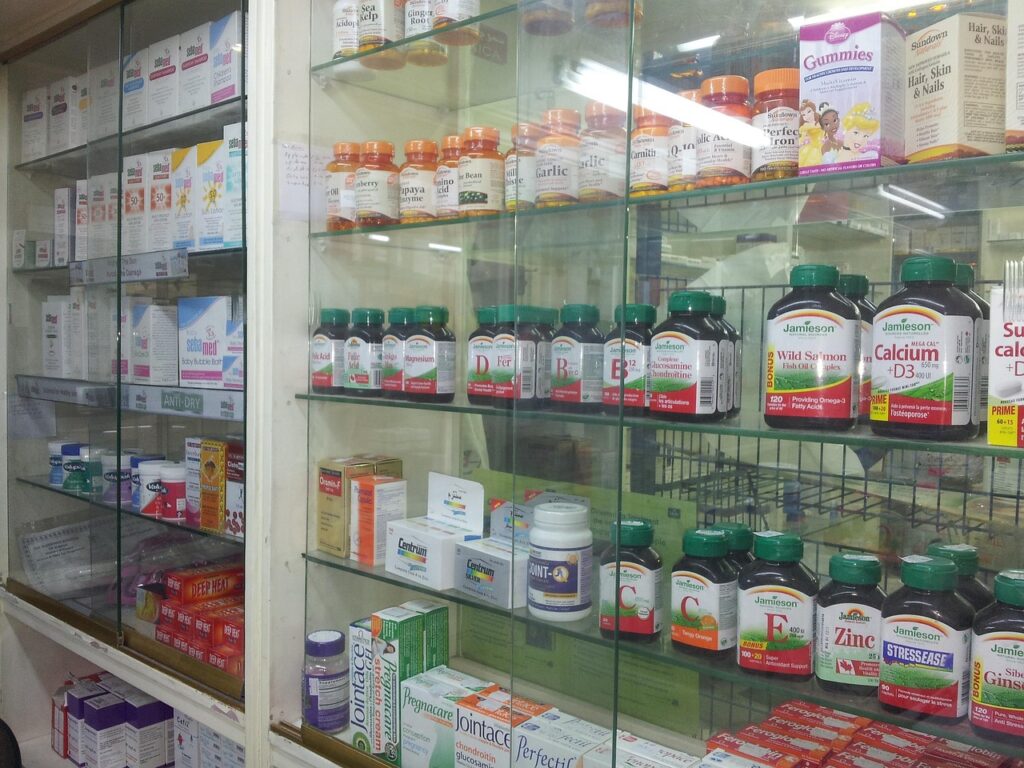
The good news is that a diverse, whole-food diet rich in vegetables, legumes, nuts, seeds, and whole grains can help meet your mineral requirements. Some minerals work together synergistically—vitamin D enhances calcium absorption, while vitamin C boosts iron uptake—making it important to understand how these nutrients interact. For those at risk of deficiency, third-party tested supplements can provide additional support, though testing your levels first ensures you supplement only what you actually need.