When you eat fiber-rich foods, you’re not just nourishing yourself—you’re feeding trillions of beneficial bacteria that call your gut home.
Fiber comes in two forms that work together to support your health: soluble fiber dissolves in water to create a gel that slows digestion, helping control blood sugar and cholesterol levels, while insoluble fiber adds bulk to keep your digestive system moving smoothly.
What makes fiber truly remarkable is its role as a prebiotic, essentially serving as food for the “good” bacteria in your intestines. These bacteria break down fiber and produce short-chain fatty acids that reduce inflammation, strengthen your immune system, and may even prevent chronic diseases. Perhaps most compelling is emerging research suggesting that when our gut bacteria don’t get enough fiber, they may resort to consuming the protective mucus lining of our intestines instead.
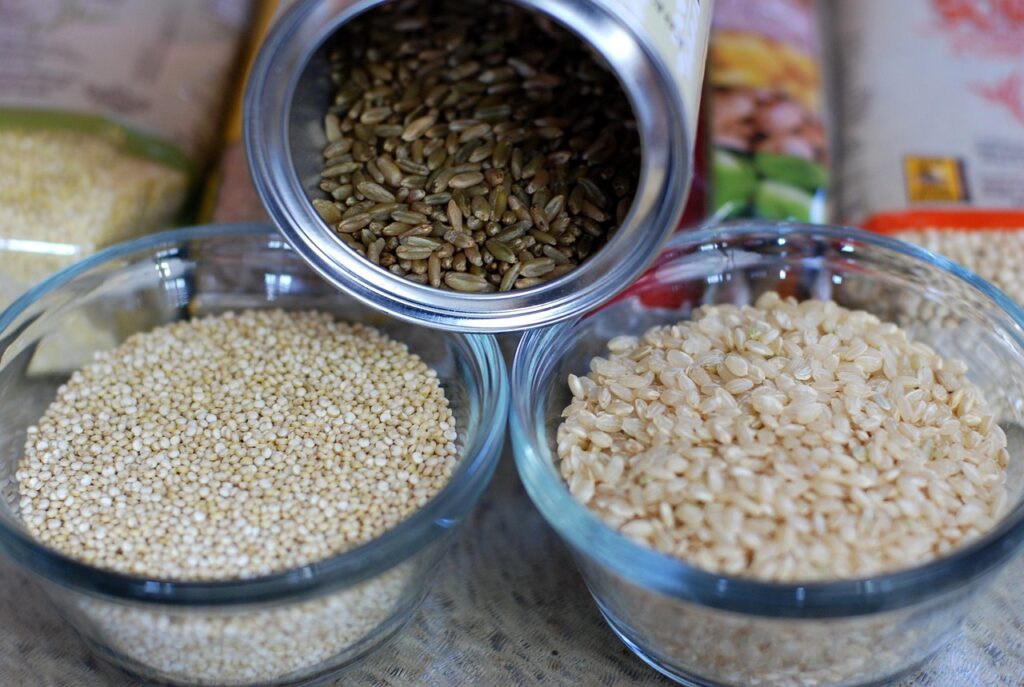
The good news? Adding just 10 grams more fiber to your daily diet—through foods like beans, whole grains, fruits, and vegetables—can make a significant difference in your overall health and longevity.