Sodium has been unfairly villainized for decades, but emerging research is telling a different story. New studies suggest that sodium intake may actually be associated with increased life expectancy, and that somewhere between 3–6 grams per day represents a more optimal intake than the conservative guidelines most of us have been following.
Far from being harmful, sodium is essential to a remarkably wide range of bodily functions — including cellular hydration, adrenal health, hormone production, cardiovascular health, bone health, mood regulation, and the body’s ability to manage stress. When sodium levels are well-balanced, the result is often increased energy, motivation, and a greater capacity to handle daily pressures. When levels run too low, the signs can include persistent fatigue, anxiety, difficulty handling stress, low blood pressure, and even panic attacks.
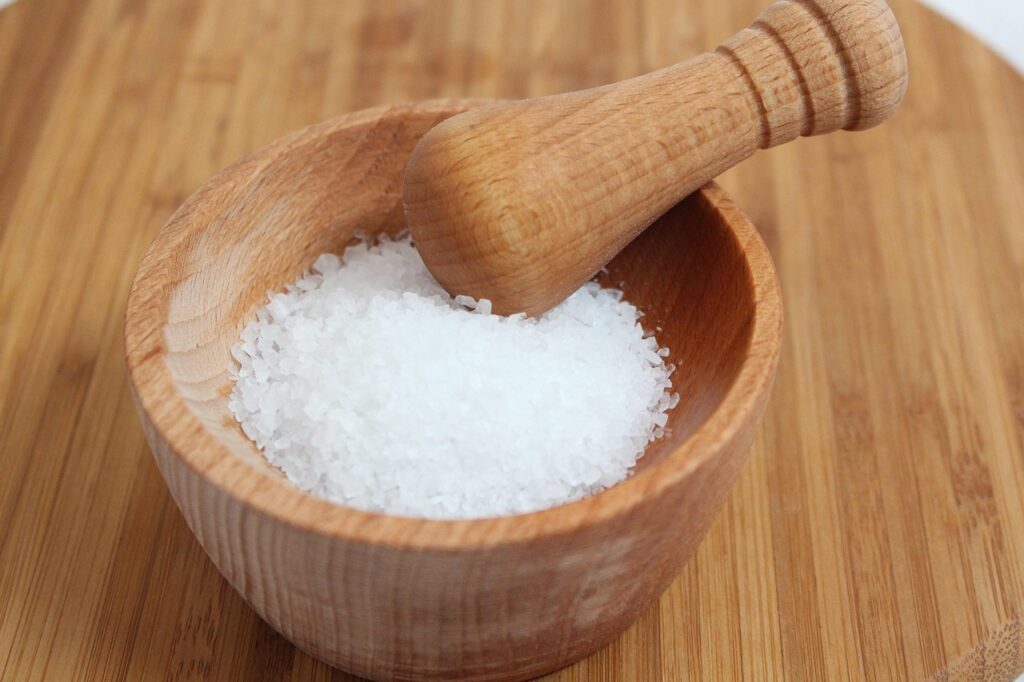
One of the most important distinctions the article makes is between refined iodized table salt — the kind found in processed foods and restaurant shakers — and real, mineralized salts like Himalayan pink salt or Real Salt, which retain the full spectrum of trace minerals our cells were designed to use. Iodized salt is bleached, sprayed with potassium iodide, and often contains additives like dextrose and anti-caking agents.
If you find yourself craving salt, your body may be signaling adrenal fatigue, high cortisol, or dehydration — worth listening to. And for those looking to support gut health, sodium also plays a role in the production of sodium butyrate, a short-chain fatty acid naturally produced by beneficial gut bacteria. As always, consult with a trusted healthcare provider for personalized guidance.