
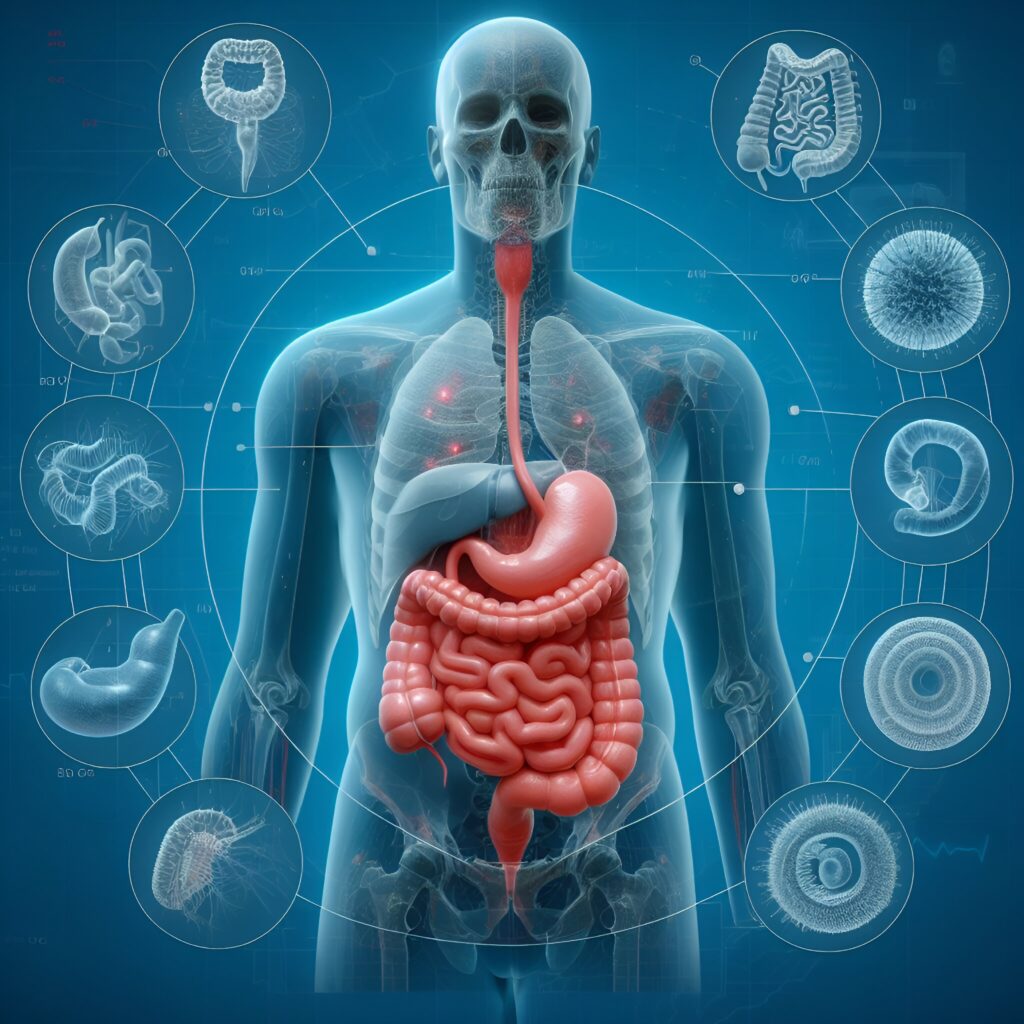
The gut microbiome functions as far more than a digestive aid — it serves as the eyes and ears of the entire immune system, acting as a communication hub that determines how the body identifies threats, mounts defenses, and maintains immune tolerance.
When the microbiome is diverse and balanced, it signals immune cells to the right locations, supports the production of T regulatory (Treg) cells that prevent autoimmune responses, and helps the body recover quickly from viral and bacterial infections
. A compromised or dysbiotic microbiome, on the other hand, contributes to chronic low-grade inflammation, delayed immune responses, and increased susceptibility to conditions ranging from seasonal illness to serious chronic disease.
Beyond immunity, the microbiome plays a direct role in mental health through the gut-brain axis — specifically by regulating the HPA (hypothalamic-pituitary-adrenal) axis, the body’s stress response system.
When gut health is poor, the body struggles to come down from a fight-or-flight state, fueling cycles of anxiety, poor sleep, and elevated cortisol. A class of microbes known as psychobiotics has been identified as capable of attenuating this stress response and restoring balance.
The connection extends further still, linking leaky gut to both leaky brain and compromised skin barrier function, underscoring that gut health is a foundational pillar of whole-body wellness.